Insights
Insights.

Long reads and references that explain how IT and its management actually work.

Analisis Kebijakan & Etis Teknologi

Semua Kode yang Dibuat AI Harus Open Source

Mengapa kode generasi AI harus bersifat terbuka dan aksesible untuk semua pengembang

Rachmat Riyanto · 5 menit baca · 2026-11-16 · Diperbarui 2026-11-16
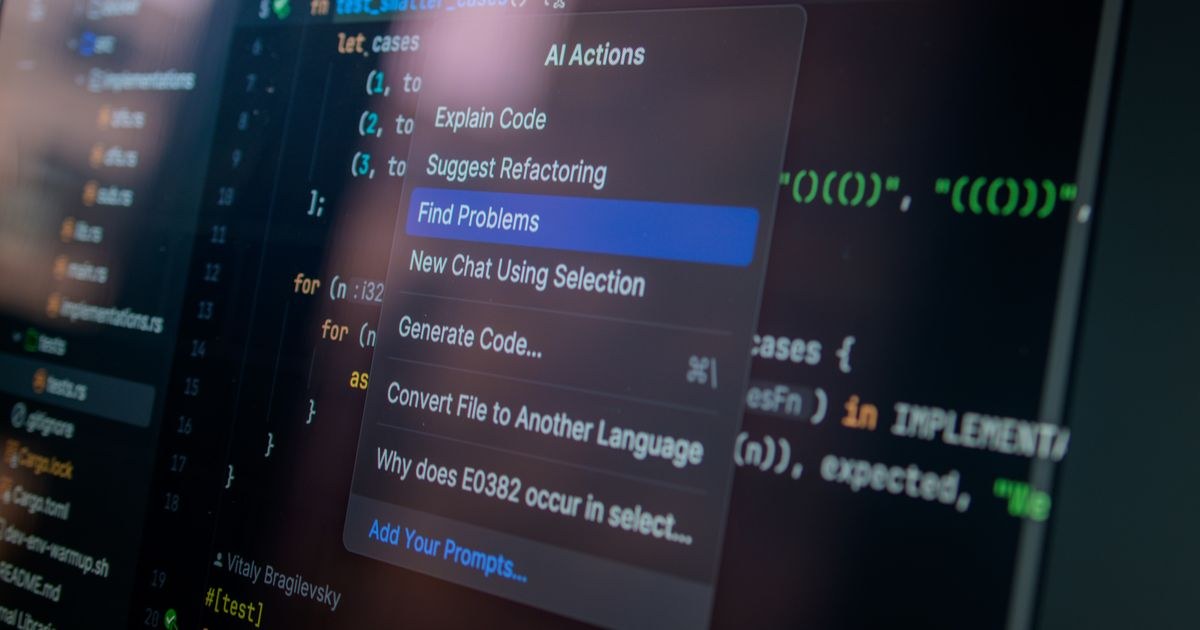
Tampilan detail layar komputer menampilkan kode dengan menu aksi AI, mengilustrasikan pengembangan perangkat lunak modern

Konteks: Latar Belakang Kode AI

Revolusi kecerdasan buatan telah mengubah cara kita memproduksi kode perangkat lunak. Dengan model bahasa besar yang mampu menghasilkan kode fungsional hanya dari deskripsi teks, pengembang semakin bergantung pada AI untuk menyelesaikan tugas-tugas pemrograman. Namun, di balik kemudahan ini terdapat masalah fundamental yang sering diabaikan: sumber kode yang digunakan untuk melatih model AI tersebut sendiri.

Model AI dilatih pada korpus kode sumber terbuka yang luas, termasuk proyek GNU dan gerakan perangkat lunak bebas yang diumumkan oleh RMS. Kode-kode ini dikumpulkan dari internet tanpa izin atau atribusi yang tepat. Selain itu, model juga dilatih pada Stack Overflow dan proyek saudara Stack Exchange yang dirilis di bawah lisensi Creative Commons yang secara hukum mensyaratkan atribusi. Mengubah pengetahuan kolektif ini menjadi kode sumber tertutup terasa seperti pencucian lisensi.

Kode AI yang dihasilkan tanpa kontribusi kreatif manusia yang signifikan harus dianggap sebagai warisan kolektif komunitas pengembang.

Poin Utama: Dasar Hukum dan Etis

Secara hukum, kode yang sepenuhnya dihasilkan AI tidak ditulis oleh manusia, yang berarti seharusnya tidak dapat dilindungi oleh hak cipta. Dasar prinsip ini di Amerika Serikat kembali pada kasus terkenal Monkey Selfie dispute, yang menetapkan bahwa non-manusia tidak dapat memegang hak cipta. Preceden ini kemudian dikutip oleh Kantor Hak Cipta AS mengenai AI. Mengikuti logika yang sama, Wikimedia Commons mensyaratkan semua gambar yang sepenuhnya dihasilkan AI ditandai sebagai Domain Publik.

Namun, hukum hak cipta bervariasi di seluruh dunia. Misalnya, negara seperti Inggris memberikan perlindungan hak cipta terbatas untuk karya yang dihasilkan komputer. Untuk membuat hal-hal adil di semua yurisdiksi, dan untuk menghormosi ekosistem terbuka yang membuat AI menjadi mungkin, pengembang dan perusahaan harus secara eksplisis merilis kode AI yang dihasilkan di bawah lisensi sumber terbuka atau mendedikasikannya ke domain publik menggunakan lisensi Creative Commons Zero (CC0).

Contoh: Kasus Nyata di Lapangan

Dalam praktiknya, kode jarang 100% manual atau 100% otomatis. Namun, pengembang semakin bergantung pada AI tanpa bahkan meninjau output yang dihasilkan, apalagi memodifikasinya untuk memenuhi kebutuhan spesifik. Kode seperti ini, di mana manusia hanya menghabiskan sedikit usaha kecuali menulis prompt, pasti harus bersifat sumber terbuka.

Sebagai contoh, banyak perusahaan teknologi besar menggunakan alat AI untuk menghasilkan kode boilerplate, fungsi utilitas, dan bahkan komponen inti aplikasi. Kode yang dihasilkan sering kali digunakan secara langsung dalam produk komersial tanpa kontribusi kreatif tambahan dari pengembang manusia. Ini menciptakan ketidakadilan di mana pengetahuan kolektif komunitas sumber terbuka dieksploitasi untuk keuntungan komersial tanpa kontribusi balik.

Transformasi pengetahuan kolektif sumber terbuka menjadi kode propietas adalah bentuk eksploitasi yang merusak ekosistem inovasi terbuka.

Implikasi: Mengapa Kebijakan Ini Penting

Implementasi kebijakan yang mewajibkan kode AI bersifat sumber terbuka memiliki implikasi yang signifikan bagi ekosistem teknologi. Pertama, ini memastikan keadilan - pengembang yang menggunakan pengetahuan kolektif komunitas juga berkontribusi kembali pada komunitas tersebut. Kedua, ini mendorong transparansi dan auditabilitas, yang sangat penting untuk keamanan dan keandalan kode. Ketiga, ini mendorong inovasi yang lebih berkelanjutan dengan memungkinkan pengembang membangun di atas pekerjaan orang lain tanpa batasan hukum.

Tanpa kebijakan ini, kita berisiko menciptakan sistem di mana perusahaan besar mengumpulkan kekayaan intelektual dari komunitas sumber terbuka, menggunakannya untuk melatih model AI, lalu menjhasilkan kode propietari yang menguntungkan mereka sendiri. Ini menciptakan siklus eksploitasi yang merusak bagi pengembang individu dan organisasi tanpa sumber daya yang signifikan.

Panduan Praktis: Checklist Implementasi

Untuk pengembang dan organisasi yang ingin mengadopsi praktik sumber terbuka untuk kode AI yang dihasilkan, berikut adalah praktik terbaik:

  1. Identifikasi Kode AI: Dokumentasikan bagian mana dari kode yang dihasilkan oleh AI dan bagian yang merupakan kontribusi manusia
  2. Pilih Lisensi yang Tepat: Gunakan lisensi sumber terbuka seperti MIT, Apache 2.0, atau CC0 untuk kode murni AI
  3. Tentukan Atribusi: Berikan atribusi yang jelas kepada sumber data pelatihan dan komunitas sumber terbuka
  4. Buat Dokumentasi: Jelaskan proses penggunaan AI dalam pengembangan kode dan batasan-batasannya
  5. Audit Kode: Lakukan audit berkala untuk memastikan kepatuhan pada kebijakan sumber terbuka
  6. Pelatih Tim: Edukasi tim pengembang tentang pentingnya etika dalam penggunaan AI

Organisasi seperti apa-itu-machine-learning dan mengapa-2fa-penting telah memulai untuk mengadopsi praktik-praktik ini dalam pengembangan sistem mereka.

Analisis: Interpretasi dan Tren Masa Depan

Tren menuju kode AI sumber terbuka tidak hanya merupakan isu etis, tetapi juga isu strategis untuk masa depan teknologi. Seperti yang dibahas dalam artikel teknologi-yang-baik-membuat-kesalahan-mudah-dipulihkan, teknologi yang baik harus memungkinkan koreksi dan perbaikan yang mudah. Kode sumber terbuka memungkinkan ini dengan cara yang kode propietari tidak bisa.

Secara historis, gerakan sumber terbuka telah membuktikan keunggulannya dalam hal inovasi dan keamanan. Dengan mengadopsi prinsip yang sama untuk kode AI, kita dapat memastikan bahwa kecerdasan buatan berkembang dalam arah yang inklusif dan berkelanjutan. Ini bukan hanya tentang keadilan, tetapi tentang memastikan bahwa teknologi AI menguntungkan seluruh masyarakat, bukan hanya sekelompok kecil pemain dominan.

Dalam jangka panjang, kebijakan ini akan mendorong pengembangan model AI yang lebih baik karena mereka akan dilatih pada dataset yang lebih beragam dan berkualitas tinggi, yang berasal dari kontribusi balik dari seluruh komunitas pengembang.

Keadilan dalam ekosistem terbuka bukan sekadar distribusi hasil, melainkan pengakuan bahwa nilai tercipta dari interdependensi. Ketika kode AI dibebaskan dari batas kepemilikan eksklusif, setiap perbaikan kecil yang disumbangkan kembali memperkaya fondasi bersama, menciptakan siklus umpan balik yang memperkuat ketahanan kolektif. Auditabilitas yang tulus hanya mungkin ketika logika di balik keputusan algoritmik dapat ditelusuri, diuji, dan dikritik oleh siapa pun tanpa izin hukum — transparansi ini melindungi tidak hanya pengguna akhir, tetapi juga integritas pengembang yang bertanggung jawab atas sistem yang mereka bangun.

Akuntabilitas manusia tetap inti meski otomatisasi memperluas jangkauan. Menyerahkan kode ke domain terbuka memaksa pengembang untuk menegakkan standar kualitas dan etika yang lebih tinggi, karena reputasi dan kepercayaan komunitas menjadi mata uang yang tidak dapat dibeli. Kolaborasi yang terbuka juga mengurangi risiko ketergantungan pada vendor tunggal; ketika pengetahuan tersebar, inovasi tidak terhenti pada keputusan bisnis satu entitas.

Keberlanjutan jangka panjang bergantung pada kemampuan ekosistem untuk meregenerasi dirinya. Kode AI yang terbuka memastikan generasi pengembang mendatang mewarisi bukan hanya artefak, melainkan kapasitas untuk memahami, memperbaiki, dan melanjutkan karya tersebut. Tanpa fondasi terbuka ini, kemajuan teknologi berisiko mengeras menjadi monolit yang rapuh, di mana kesalahan sistemik sulit dikoreksi dan inovasi terhenti pada batas kepentingan komersial sempit.

Kolaborasi terbuka menciptakan lapisan verifikasi terdistribusi yang tak tergantikan. Ketika ribuan mata memeriksa logika yang sama, celah keamanan dan bias tersembunyi terungkap sebelum merusak sistem produksi. Proses ini juga melatih pengembang untuk menegakkan standar etika yang konsisten, karena setiap keputusan desain terekspos pada scrutini kolektif. Jangka panjang, ekosistem yang berbagi fondasi kode AI memperoleh ketahanan adaptif: ketika kondisi berubah — regulasi baru, ancaman keamanan, atau kebutuhan domain spesifik — komunitas dapat memfork, memperbaiki, dan mendistribusikan perbaikan tanpa menunggu siklus rilis vendor. Kemandirian kolektif inilah yang menjamin teknologi AI tetap melayani kepentingan luas, bukan sekadar mengoptimalkan metrik komersial sempit.
Artikel terkait

Analisis Kebijakan & Etis Teknologi

All AI-Generated Code Should Be Open Source

Why AI-generated code should be open and accessible to all developers

Rachmat Riyanto · 2 min read · 2026-11-16 · Updated 2026-11-16
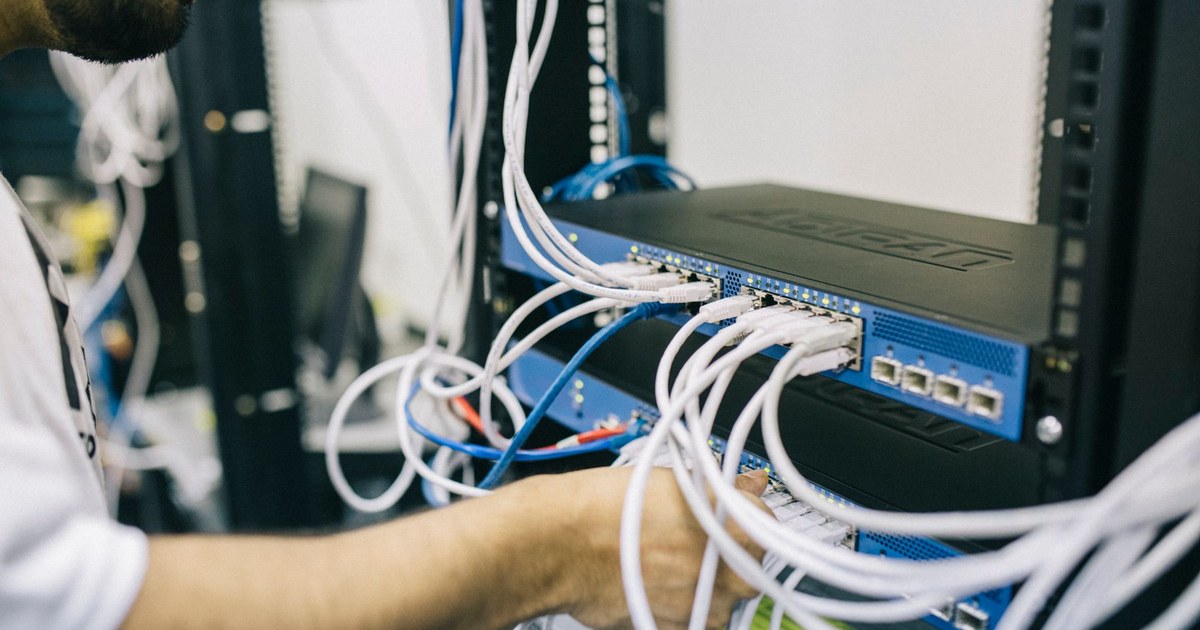
Network and server cabling infrastructure representing internet and connectivity topics.

Context: The Background of AI Code

The artificial intelligence revolution has transformed the way we produce software code. With large language models capable of generating functional code from nothing more than a text description, developers are increasingly relying on AI to complete programming tasks. However, behind this convenience lies a fundamental problem that is often overlooked: the source code used to train those AI models themselves.

AI models are trained on a vast corpus of open source code, including GNU projects and the free software movement announced by RMS. This code was collected from the internet without permission or proper attribution. In addition, the models were also trained on Stack Overflow and the sister Stack Exchange projects, which are released under Creative Commons licenses that legally require attribution. Turning this collective knowledge into closed source code feels like license laundering.

AI-generated code without significant human creative contribution should be regarded as the collective heritage of the developer community.

Key Point: The Legal and Ethical Basis

Legally, code that is entirely AI-generated is not written by a human, which means it should not be eligible for copyright protection. The basis for this principle in the United States goes back to the famous Monkey Selfie dispute, which established that non-humans cannot hold copyright. This precedent was later cited by the US Copyright Office regarding AI. Following the same logic, Wikimedia Commons requires all fully AI-generated images to be tagged as Public Domain.

However, copyright law varies around the world. For example, countries like the United Kingdom grant limited copyright protection to computer-generated works. To make things fair across all jurisdictions, and to honor the open ecosystem that made AI possible, developers and companies should explicitly release AI-generated code under an open source license or dedicate it to the public domain using the Creative Commons Zero (CC0) license.

Example: Real Cases in the Field

In practice, code is rarely 100% manual or 100% automated. Yet developers are increasingly relying on AI without even reviewing the output it produces, let alone modifying it to meet specific needs. Code like this, where the human puts in little effort beyond writing the prompt, should certainly be open source.

For example, many large technology companies use AI tools to generate boilerplate code, utility functions, and even core application components. The generated code is often used directly in commercial products without any additional creative contribution from human developers. This creates an injustice in which the collective knowledge of the open source community is exploited for commercial gain without any contribution in return.

Transforming open source collective knowledge into proprietary code is a form of exploitation that damages the open innovation ecosystem.

Implications: Why This Policy Matters

Implementing a policy that requires AI code to be open source has significant implications for the technology ecosystem. First, it ensures fairness — developers who draw on the community's collective knowledge also give back to that community. Second, it promotes transparency and auditability, which are essential for the security and reliability of code. Third, it fosters more sustainable innovation by allowing developers to build on the work of others without legal restrictions.

Without such a policy, we risk creating a system in which large companies harvest intellectual property from the open source community, use it to train AI models, and then produce proprietary code that benefits only themselves. This creates an exploitative cycle that harms individual developers and organizations without significant resources.

Practical Guide: Implementation Checklist

For developers and organizations that want to adopt open source practices for AI-generated code, here are the best practices:

  1. Identify AI Code: Document which parts of the code were generated by AI and which represent human contribution
  2. Choose the Right License: Use an open source license such as MIT, Apache 2.0, or CC0 for purely AI-generated code
  3. Determine Attribution: Provide clear attribution to the training data sources and the open source community
  4. Create Documentation: Explain the process of using AI in code development and its limitations
  5. Audit the Code: Conduct regular audits to ensure compliance with open source policies
  6. Train the Team: Educate the development team about the importance of ethics in AI use

Organizations such as apa-itu-machine-learning and mengapa-2fa-penting have begun adopting these practices in the development of their systems.

Analysis: Interpretation and Future Trends

The trend toward open source AI code is not only an ethical issue, but also a strategic one for the future of technology. As discussed in the article teknologi-yang-baik-membuat-kesalahan-mudah-dipulihkan, good technology should make it easy to correct and recover from mistakes. Open source code enables this in ways that proprietary code cannot.

Historically, the open source movement has proven its superiority in terms of innovation and security. By adopting the same principles for AI code, we can ensure that artificial intelligence develops in an inclusive and sustainable direction. This is not just about fairness; it is about ensuring that AI technology benefits society as a whole, not just a small group of dominant players.

In the long run, this policy will encourage the development of better AI models because they will be trained on more diverse, higher-quality datasets, drawn from contributions given back by the entire developer community.

Fairness in an open ecosystem is not merely about distributing the results; it is an acknowledgment that value is created through interdependence. When AI code is freed from the boundaries of exclusive ownership, every small improvement contributed back enriches the shared foundation, creating a feedback loop that strengthens collective resilience. Genuine auditability is only possible when the logic behind algorithmic decisions can be traced, tested, and criticized by anyone without legal permission — this transparency protects not only end users, but also the integrity of the developers responsible for the systems they build.

Human accountability remains central even as automation expands its reach. Releasing code into the open domain forces developers to uphold higher standards of quality and ethics, because reputation and community trust become a currency that cannot be bought. Open collaboration also reduces the risk of dependence on a single vendor; when knowledge is spread widely, innovation does not halt at the business decision of one entity.

Long-term sustainability depends on the ecosystem's ability to regenerate itself. Open AI code ensures that future generations of developers inherit not just artifacts, but the capacity to understand, improve, and continue that work. Without this open foundation, technological progress risks hardening into a fragile monolith, where systemic errors are difficult to correct and innovation stops at the boundaries of narrow commercial interests.

Open collaboration creates an irreplaceable layer of distributed verification. When thousands of eyes examine the same logic, security flaws and hidden biases are exposed before they can damage production systems. This process also trains developers to uphold consistent ethical standards, because every design decision is exposed to collective scrutiny. In the long run, an ecosystem that shares a common AI code foundation gains adaptive resilience: when conditions change — new regulations, security threats, or domain-specific needs — the community can fork, fix, and distribute improvements without waiting for a vendor's release cycle. It is this collective self-reliance that guarantees AI technology continues to serve the broader public interest, rather than merely optimizing narrow commercial metrics.

Related